
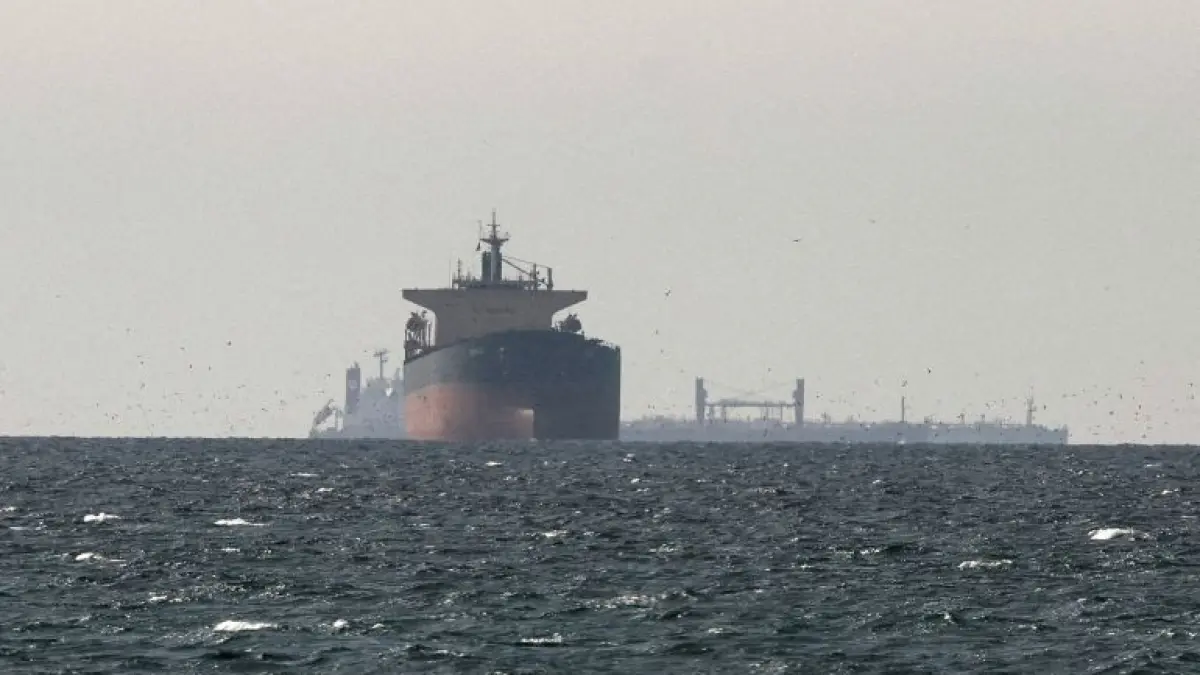
Ketegangan AS-Iran Memuncak, Harga Minyak Tembus Level Baru
What Happened During the recent escalation of US-Iran tensions has sent shockwaves through the global oil market. The strategic importance of the Strait of Hormuz—where about 20% of the world’s oil supply passes—has intensified as both nations ramped up their military posturing. This development not only threatens maritime trade routes but also drives up the prices of key crude benchmarks, such as Brent and WTI, which reached historic highs amid growing uncertainty.
Kenaikan Harga Minyak Global dan Respons Pasar
What Happened During the latest round of sanctions and naval operations by the United States has significantly boosted global oil prices. On Tuesday (14/7), the price of Brent crude surged by 2.11% to USD 84.96 per barrel, while West Texas Intermediate (WTI) climbed 2.14% to USD 79.80 per barrel. Analysts attribute this sharp increase to fears of disrupted supply chains, as the Strait of Hormuz remains a critical chokepoint for oil exports from the Middle East.
“The recent military moves by the US have created a sense of urgency in the market,” said Jay Hatfield, CEO of Infrastructure Capital Management. “What Happened During the past week has raised concerns about the stability of oil supplies, prompting investors to hedge against potential shortages.”
The US’s decision to reimpose restrictions on Iranian tankers and demand a 20% surcharge for goods transported through the region has further tightened the situation. With the US Navy deploying additional vessels to patrol the Strait, the potential for a naval confrontation looms larger, heightening the risk of a temporary blockage that could impact global energy security.
Kebijakan AS dan Kompensasi bagi Negara-Negara Alli
What Happened During the Trump administration’s renewed focus on Iran has also influenced the pricing dynamics of crude oil. The president has emphasized the need for allies like Saudi Arabia, the UAE, Qatar, Bahrain, and Kuwait to cover the cost of any disruptions caused by the new restrictions. This arrangement not only bolsters US economic interests but also pressures OPEC+ members to maintain production levels despite rising tensions.
Iran’s ability to ship 57 million barrels of oil within a short window between two blockades highlights the country’s resilience in the face of sanctions. However, the ongoing geopolitical standoff has exposed vulnerabilities in the global oil supply chain, with the International Energy Agency (IEA) reporting that production levels remain 9.4 million barrels per day below pre-conflict benchmarks.
Experts warn that the current situation could lead to long-term adjustments in energy markets. “What Happened During the past two weeks has shifted the balance of power in the oil sector,” noted an analyst from ANZ. “The combination of military pressure and economic sanctions may force oil-producing nations to reconsider their strategies and pricing mechanisms.”
Ketidakpastian dalam Kesepakatan Sementara
What Happened During the brief ceasefire between the US and Iran, signed last month, has now been overshadowed by renewed hostilities. The agreement aimed to restore access to the Strait of Hormuz and delay hostilities for 60 days, but its effectiveness is being tested as both sides continue to test each other’s resolve. Analysts suggest that the initial optimism about a lasting peace has given way to skepticism, with fears of a more prolonged conflict.
The IEA’s latest report underscores the fragility of the global energy market. While June saw a slight rebound in oil supplies, the increase of 4.1 million barrels per day still falls short of pre-tensions levels. This gap has led to heightened volatility, as traders brace for potential disruptions and adjust their forecasts. The situation has also affected the value of the US dollar, which rose alongside oil prices as investors seek safe-haven assets.
Analisis Ekonomi dan Strategi Global
What Happened During the conflict has broader economic implications beyond oil markets. The rise in crude prices could strain inflation rates in energy-dependent economies, particularly in Europe and Asia. Meanwhile, the US’s push for allies to bear the cost of sanctions has created a new dynamic in international trade, with Gulf states now facing additional financial obligations.
Global energy demand remains steady, but the supply-side pressures have forced oil companies to accelerate exploration and production. Countries like Russia and Mexico are also recalibrating their output to mitigate the impact of the crisis. The IEA predicts that the price of oil may remain elevated for the foreseeable future, with market sentiment heavily influenced by the ongoing standoff between the US and Iran.
As the conflict evolves, the interplay between geopolitical tensions and energy markets will continue to shape global economics. What Happened During the past week has not only raised prices but also redefined the strategic priorities of oil-producing nations and consumers alike. The outcome of this crisis will determine the trajectory of energy markets for months to come, underscoring the delicate balance between political maneuvering and economic stability.